
New residential development with a historic location
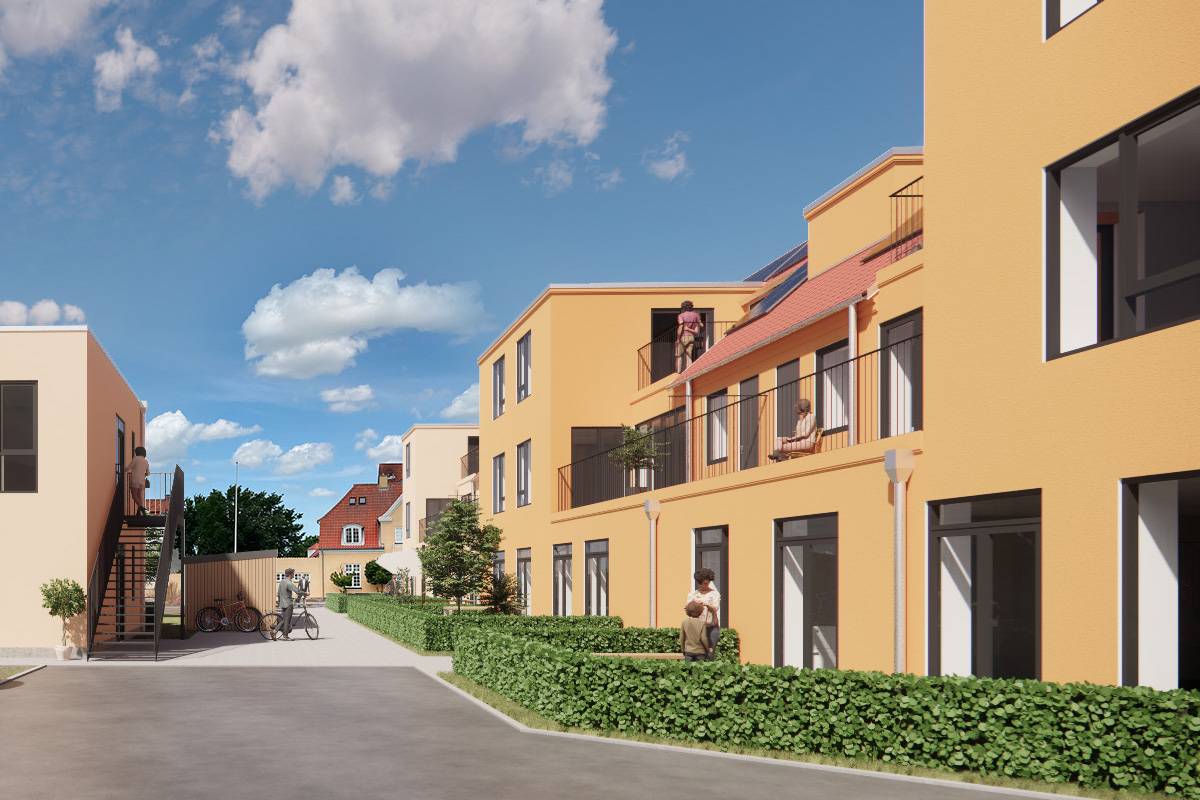
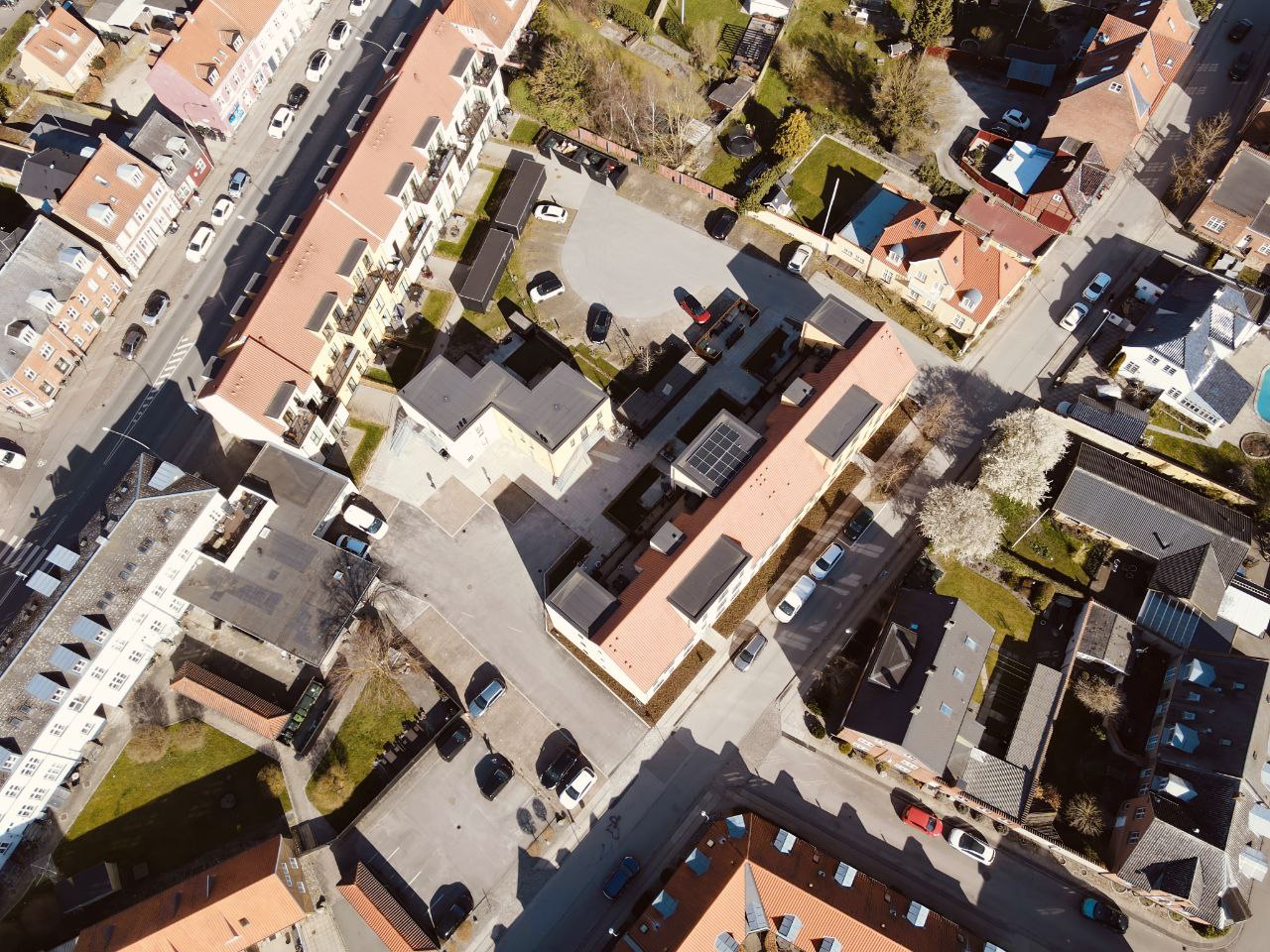
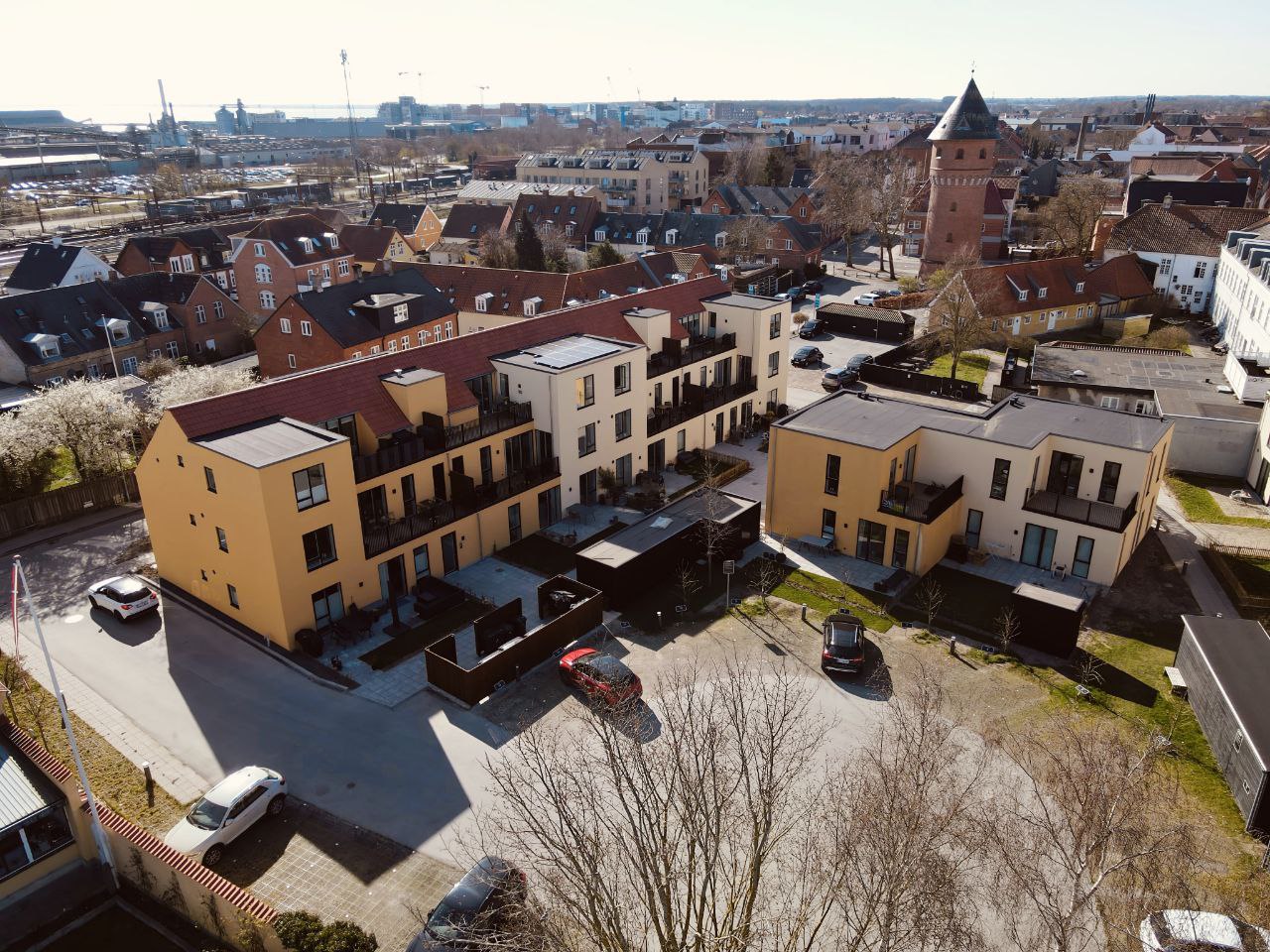
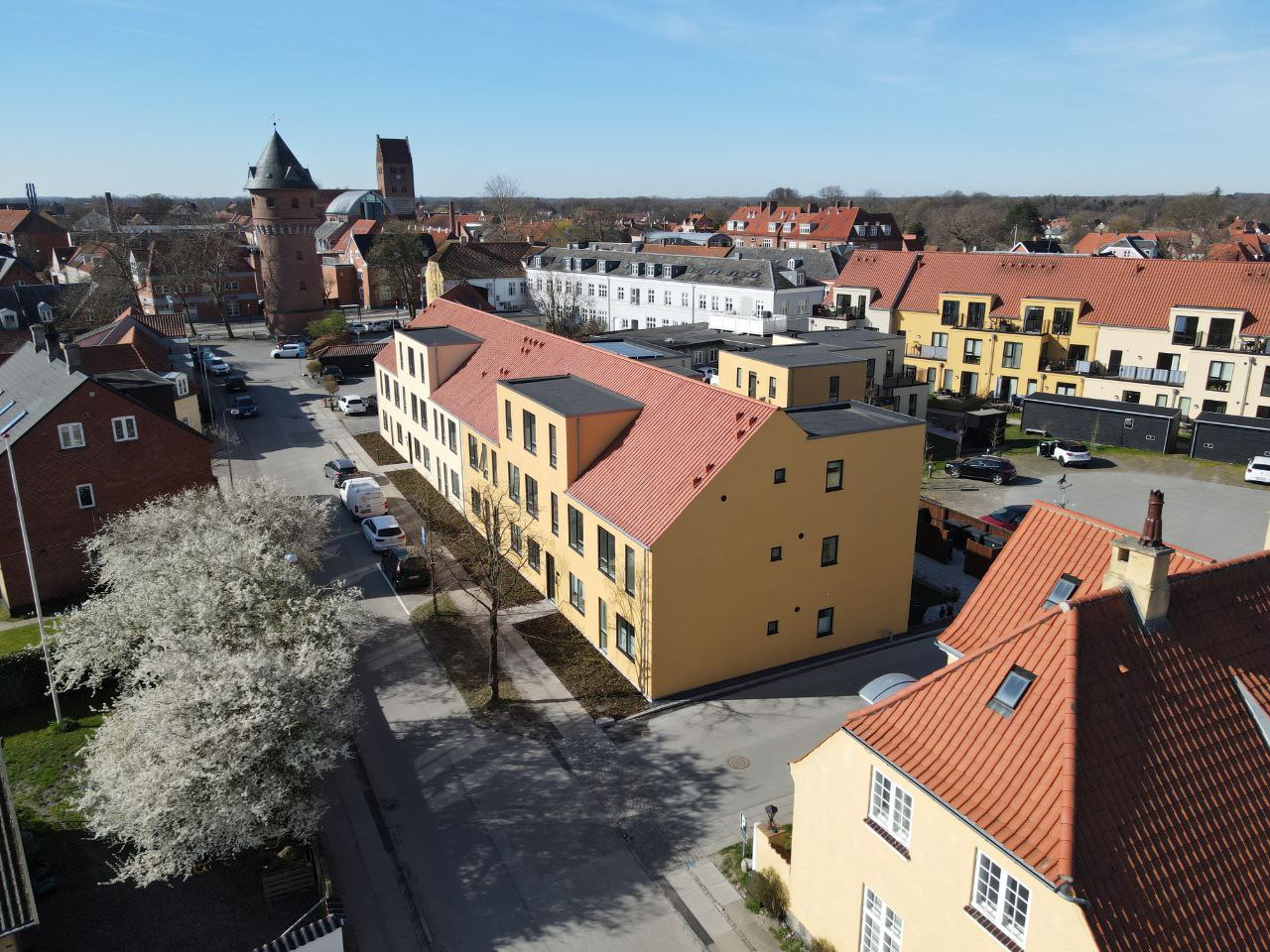
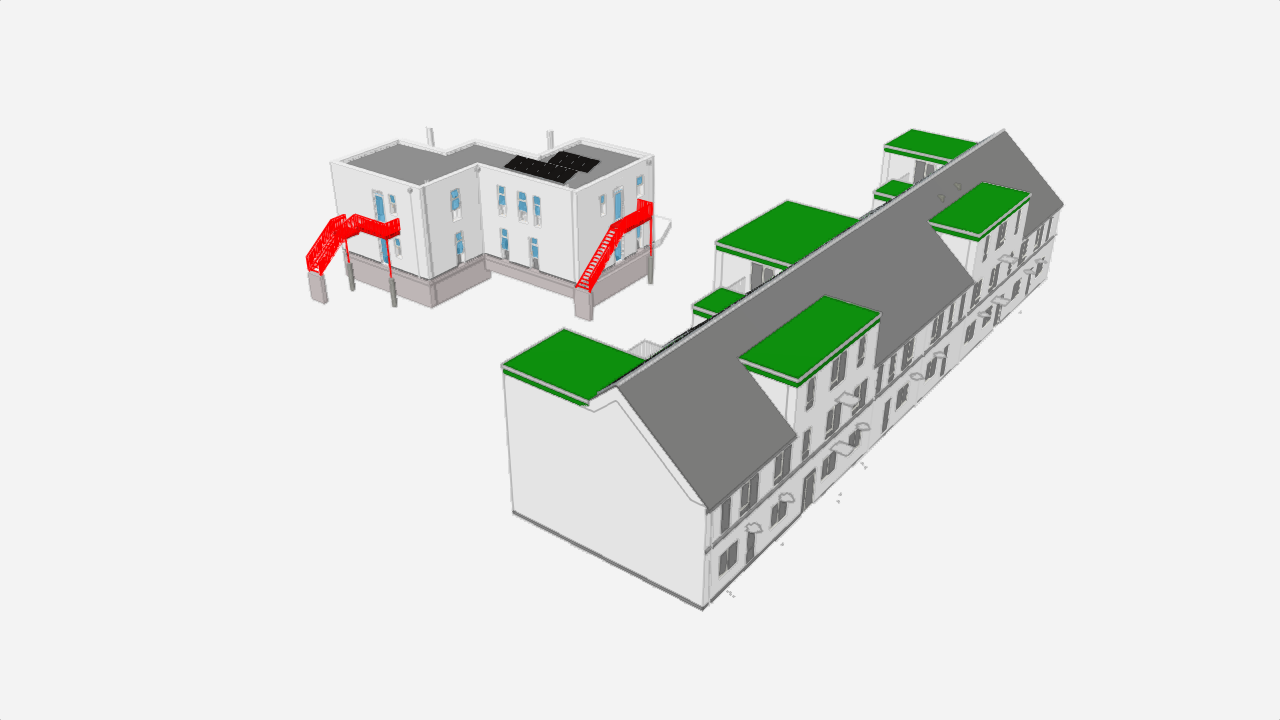
Quistgaarden is a newly built apartment building consisting of two buildings with a total of 16 apartments and a total floor area of 1,690 m². The project is centrally located in Køge and built in two stages. The second stage was completed in the spring of 2025.
The name is a reference to Captain Peter Christoffer Quistgaard, who fell in the Battle of Køge in 1807 – (allegedly) precisely at the place where Quistgaardsvej today connects Niels Juelsgade and Slagterivej.
Differentiated Structural Design
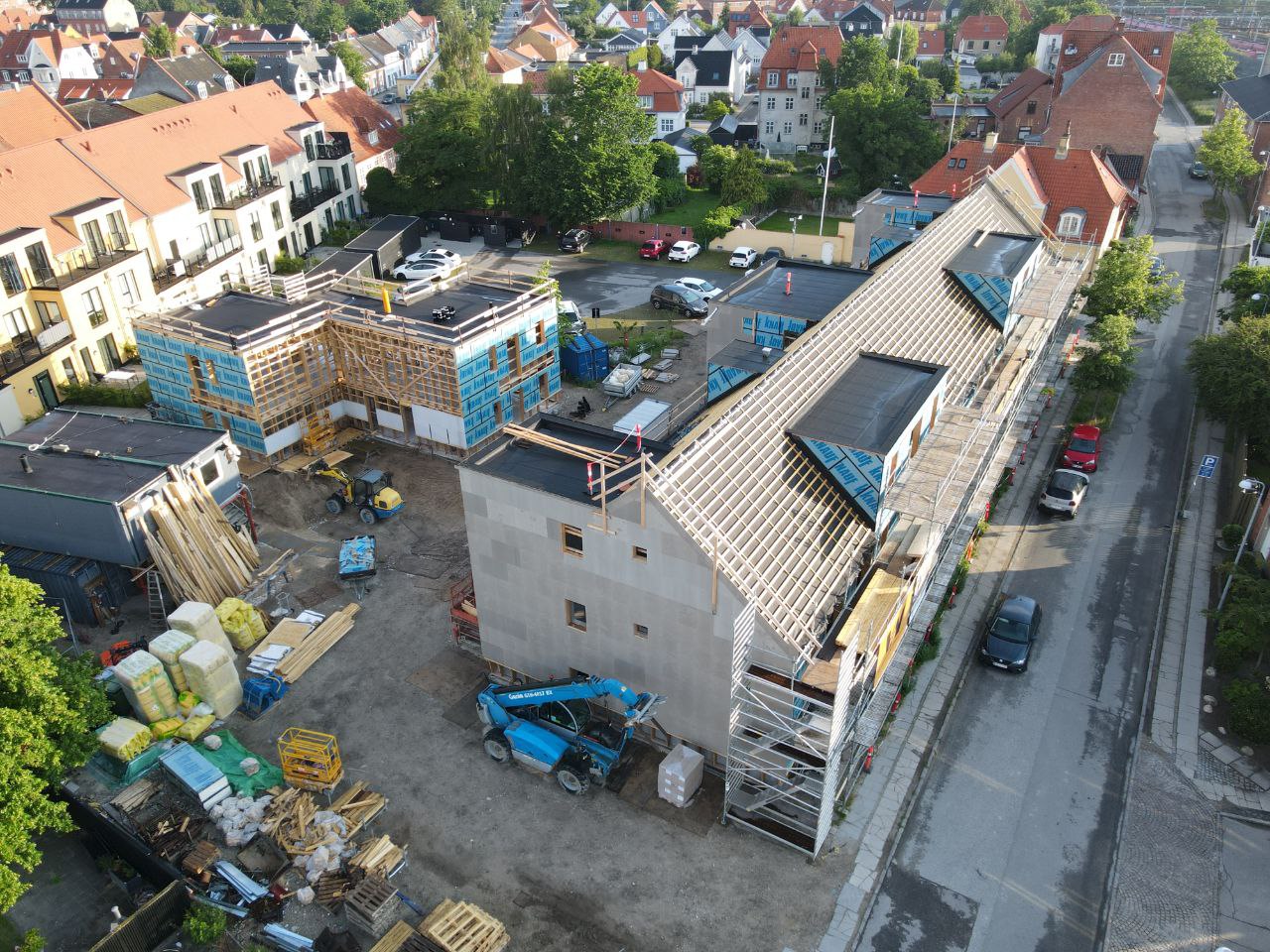
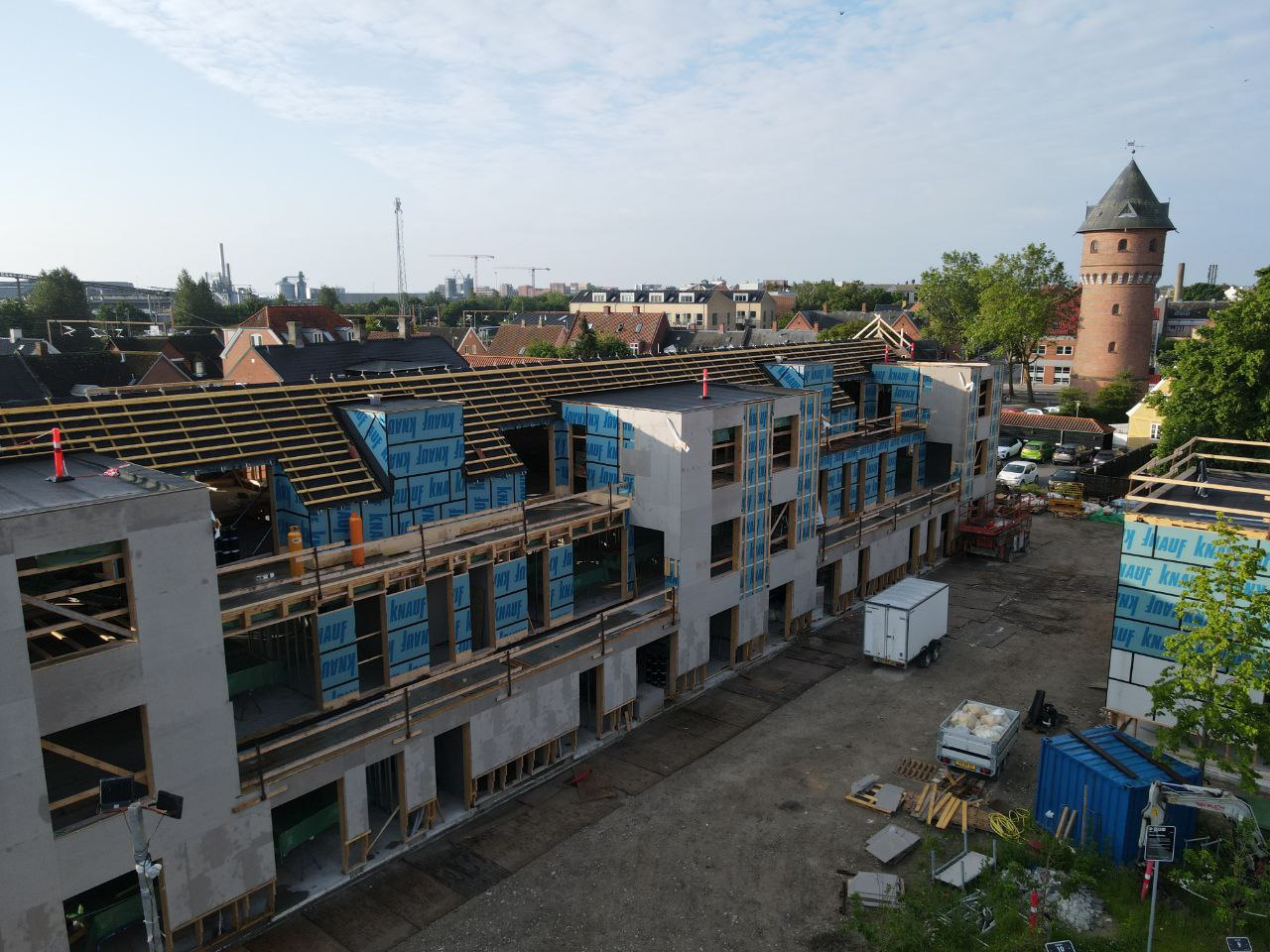
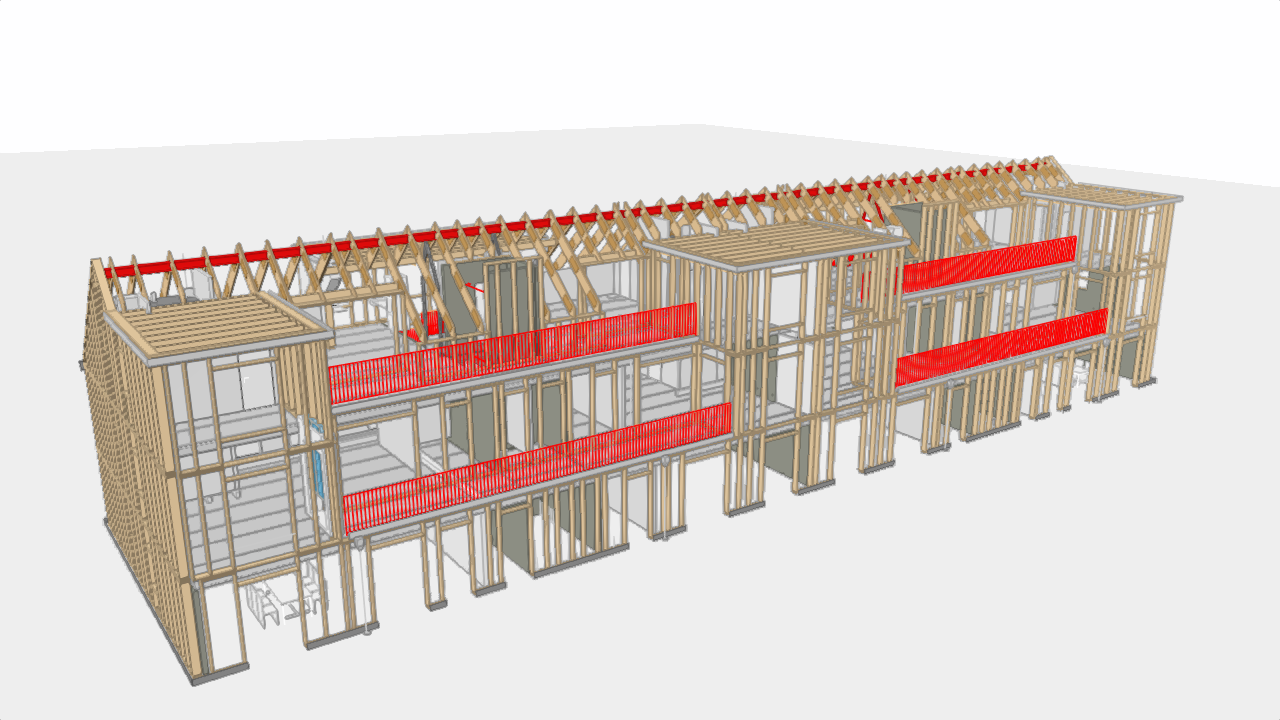
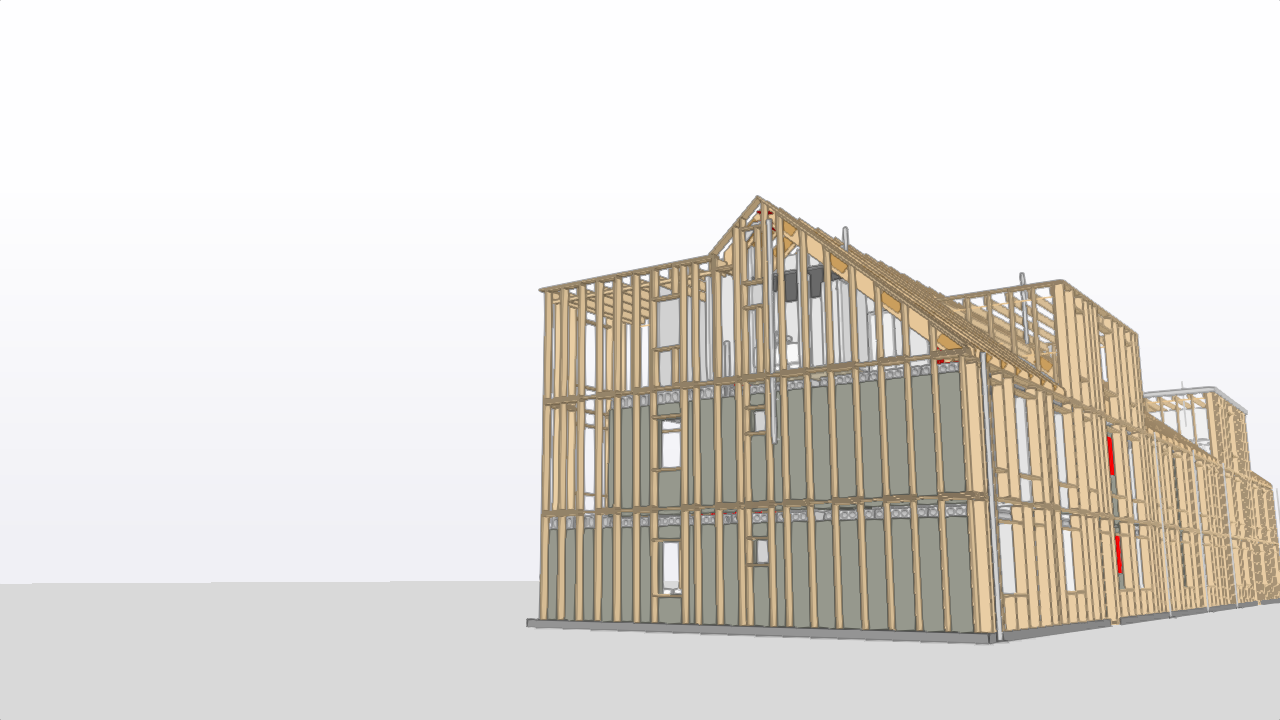
KI served as the main structural engineer and, in close collaboration with the general contractor Vestergaard Nielsen A/S, developed a structural strategy where materials were selected based on the building’s most optimal static performance, while also considering buildability to enable a fast and efficient construction process.
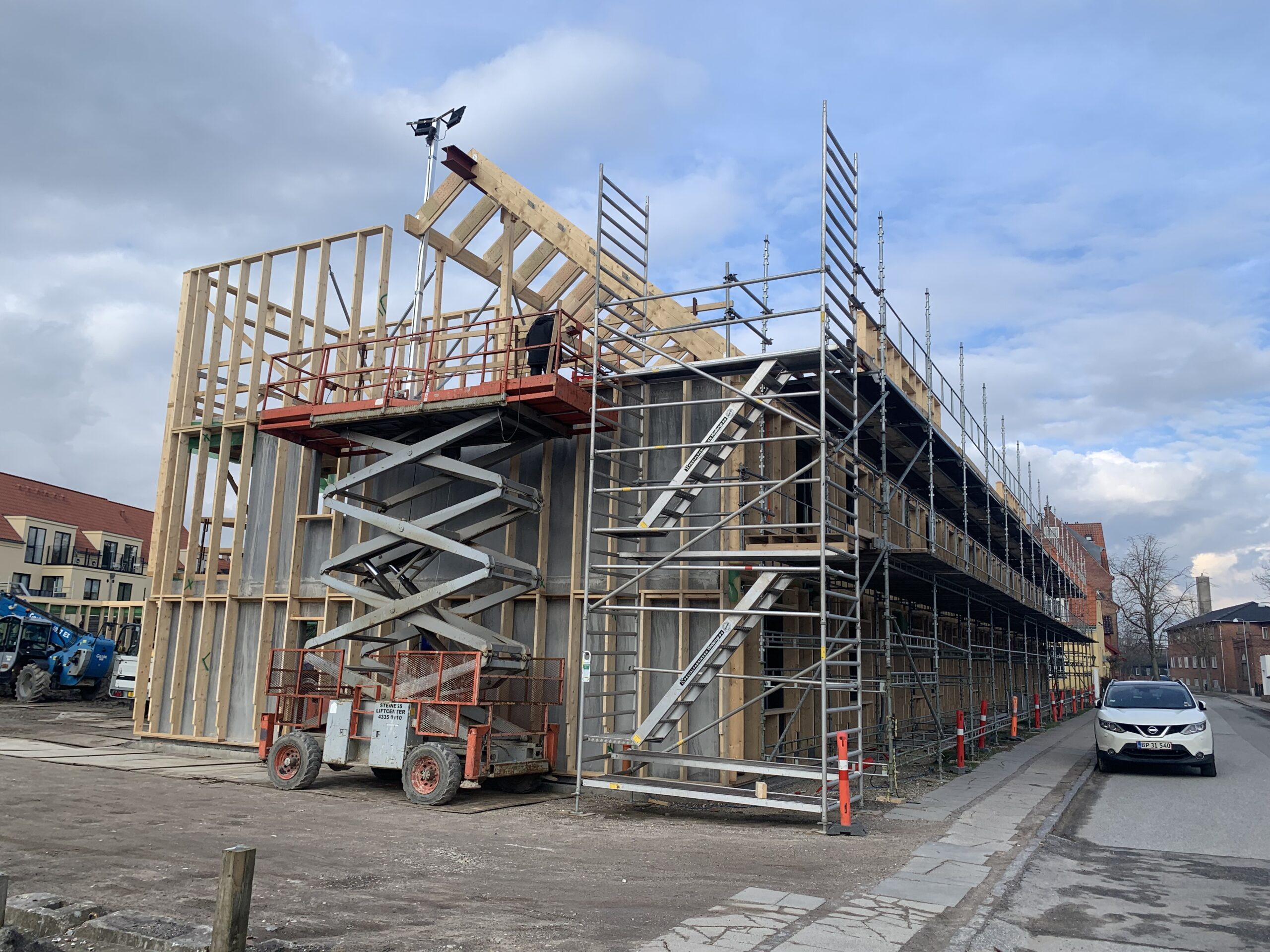
“One example is the use of hollow-core slabs, where we take advantage of their strengths as floor spans between stabilizing concrete walls. But where the stabilizing effect of concrete was not deemed necessary, we opted for timber frame walls - a solution that is easier for the contractor, a local carpentry firm from Køge, to produce and modify,” explains project manager Mikki Goltermann Graffmann.
Solutions like these require both technical depth and a solid understanding of the construction process - precisely the field where KI creates the most value.
Solutions focused on collaboration and efficient execution
Quistgaarden is not only the result of calculations and material choices, but also of strong relationships. Our close and direct dialogue with the contractor created an efficient project process with room for professional sparring and swift decision-making.
The balconies, featuring varying depths and projections, are a good example of an architectural detail that required precise engineering expertise to be realized. The result is small private outdoor spaces that add value for residents and architectural variation to the urban environment.
The collaboration in the project was characterized by short decision-making paths and direct communication, which helped maintain momentum and avoid unnecessary delays. KI’s role was to ensure that the technical solutions were both robust and pragmatic.